Facing braces requires specialized brushing tools to keep teeth clean and gums healthy. This guide highlights five top options designed for orthodontic care, helping you decide which toothbrush best suits your needs—whether you prefer manual precision, end-tuft detail cleaning, or electric efficiency. Each pick is explained with who it’s best for, why it was selected, and any simple limitations to consider. A quick buying table and FAQ follow to help you compare at a glance.
| Product | Best For | Why Picked |
|---|---|---|
| Fregum V-Shaped Orthodontic Toothbrush | Braces for detailed cleaning | Special V-shaped bristles fit around brackets for easier access |
| Ouligay End Tuft Toothbrush | Small spaces and tricky areas | Single tuft design reaches tight gaps behind braces |
| Y-Kelin V-Shaped Electric Toothbrush | Electric cleaning with multiple heads | Beveled bristles and 5 modes for customizable care |
| Fregum End Tuft Toothbrush | Hard-to-reach zones | Angled head and end-tuft design for tight spaces |
| TePe Universal Care Angled Soft-Bristle | Interdental and near-bracket areas | Small head and angled neck for improved access |
Fregum V-Shaped Orthodontic Toothbrush for Braces

The Fregum V-Shaped Orthodontic Toothbrush uses a V-shaped bristle layout to closely fit around braces, aiding access to the area around brackets and archwires. The shorter inner bristles (2mm) help clean around brackets, while the inner soft rounded bristles are suitable for stainless or resin appliances. Outer ultra-soft tapered bristles target gaps where brackets meet the tooth and behind the archwires for a comprehensive clean. Best for: wearers who want precise brushing around braces with targeted reach. Caution: may require multiple passes for thorough coverage in some hard-to-reach areas.
Ouligay 4Pcs End Tuft Toothbrush for Braces

This end tuft toothbrush features a single-tuft design with a compact head and easy-to-hold handle, delivering improved access to hard-to-reach areas around braces. The slim tuft gently cleans erupting teeth along the gum line and behind fixed braces, minimizing trapped debris. Best for: users needing precise cleaning in tight spots and around brackets. Caution: durability may vary with aggressive brushing; replace when bristles show wear.
Y-Kelin V-Shaped Orthodontic Electric Toothbrush

This electric braces toothbrush is designed with 45-degree beveled bristles to suit orthodontic users. It includes 4 replacement heads (2 concave, 2 convex) and 5 cleaning modes—clean, whiten, milder, polish, and massage. The V-shaped bristles closely fit the tooth to clean around orthodontic appliances without snagging. Best for: individuals seeking an energized clean with customizable brushing intensity. Caution: several heads are included, so replacement timing should align with personal brushing habits.
Fregum End Tuft Toothbrush for Orthodontic Care

The End Tuft Toothbrush uses sturdy, full bristles and an angled head to reach between small spaces created by orthodontia. It excels at cleaning under wires and near gum lines where other brushes struggle. Best for: those who need focused cleaning in tight spaces around braces. Caution: end-tuft models may require careful handling to avoid bristle deformation with hot water exposure; follow care instructions for longevity.
TePe Universal Care Angled Soft-Bristle
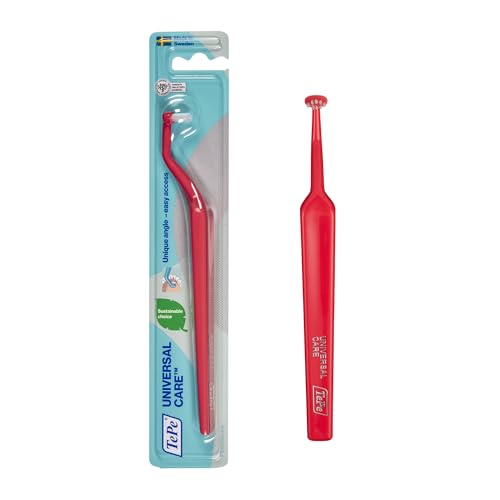
The TePe Universal Care toothbrush features a small angled head and soft bristles that improve access to braces, retainers, implants, and gum lines. It’s designed to bend the neck when warmed to increase reach, making it efficient for daily use. Best for: users needing flexible access to hard-to-reach gaps around dental work. Caution: the compact head may feel small for users with larger mouths or prefer a bigger brush surface.
Buying Guide: Key Considerations For Braces Brushing
What toothpaste texture works best with braces? Non-abrasive, fluoride-containing toothpaste is typically advised to protect enamel and brackets while delivering effective cleaning. Choose a brush with bristle softness that suits your sensitivity and the orthodontic setup you have.
Manual vs. electric: Which is better for braces? Manual brushes offer precision and control, while electric brushes can deliver consistent, thorough cleaning with multiple modes and heads. For braces, an electric option with V-shaped bristles or multiple heads can help reach around brackets and wires more easily.
Head size and shape matter. Smaller heads improve access to tight spaces, while angled designs help reach behind molars and around brackets. End-tuft or single-tuft designs can target interdental areas more effectively than standard brushes.
Durability and replacement schedule. Look for robust bristles and easy replacement options. Replace manual brushes every 3–4 months or sooner if bristles fray. For electric models, replace heads per manufacturer guidance to maintain cleaning efficacy.
Usage tips. Use short, gentle strokes near braces to avoid bending wires. Rinse thoroughly after brushing to remove debris. Consider an interdental brush or flossing tool in combination with braces to clear between teeth and around brackets.
Frequently Asked Questions
- Are V-shaped bristles better for braces? Yes, V-shaped bristles are designed to fit closely around brackets and archwires, aiding access to the areas around orthodontic hardware.
- Should I use an electric toothbrush with braces? Electric models with appropriate heads and modes can improve cleaning efficiency around braces, but ensure you follow the manufacturer’s guidance for braces cleaning.
- How often should I replace my braces toothbrush? Manual brushes are typically replaced every 3–4 months; electric brush heads follow the manufacturer’s recommended timing, usually every 3 months.
- What additional tools help with braces cleaning? Interdental brushes, end-tuft brushes, and flossing aids can help clean between teeth and under brackets where regular bristles may not reach well.
- Can braces cleaners whiten teeth? Some cleaners claim whitening effects, but most effective whitening should occur under dentist guidance and with products designed for use around braces to minimize sensitivity.
- Is it safe to brush aggressively with braces? No. Gentle brushing minimizes enamel wear and reduces wire or bracket damage. Use soft bristles and light pressure around hardware.