When choosing seating and safety aids for dementia care, prioritize products that prevent falls, offer clear alerts, and fit easily into daily routines. The following hand-picked selections target dementia-related needs in chairs and bed setups, helping caregivers keep loved ones safe. Best for caregivers seeking simple installation, reliable alarms, and adjustable restraints that fit most chairs and beds.
| Product | Best For | Why It Stands Out | Key Constraint |
|---|---|---|---|
| NEPPT Wheelchair Seatbelt Restraints | Wheelchair users needing fall prevention | Adjustable, tool-free installation, quick-release buckle | Size confirmation required before purchase |
| Bed Alarm for Elderly Adults & Chair Alarm Set (Floryexn) | Multi-location monitoring | Bed and chair pads, adjustable volume, portable | Requires setup for multiple pads |
| Kaneyvok Chair Alarm Pad | Chair-based fall alerts | Dual alert system, wireless monitor compatibility | Pad size may limit some chair types |
| Briidea Chair Alarm | Integrated chair safety with lights | Sound and flashing LED light, waterproof pad | Wired sensor may require cable management |
| Crilano Wheelchair Seat Belt | Comfortable, wide-fit restraints | Soft padding, wide belt design, adjustable | Medium-width belt may not fit all chair frames |
NEPPT Wheelchair Seatbelt Restraints

Best for: Caregivers seeking a simple, adjustable safety belt for wheelchair users. The NEPPT restraint is designed to prevent accidental falls by securely fastening to the chair and features a quick-release buckle for easy removal. The belt length is adjustable to fit different body types and chair sizes, making it a flexible option for diverse environments.
Why selected: The product emphasizes secure protection without complex installation commands. It offers a straightforward, tool-free setup and adjustable length to tailor fit. This makes it a practical, low-effort safety addition for daily wheelchair use.
Limitation: Confirm the exact chair dimensions before buying to ensure a proper fit, as size compatibility varies by model and backrest shape.
Bed Alarm for Elderly Adults & Chair Alarm Set
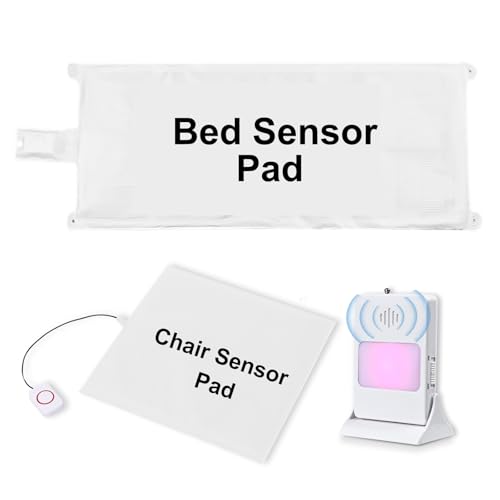
Best for: Care facilities or homes needing 24/7 monitoring across bed and chair zones. This system includes both bed and chair alarm pads, enabling caregivers to track movement from multiple locations and respond quickly.
Why selected: The dual-mode configuration supports comprehensive coverage, with portable design for room-to-room use. Adjustable volume ensures alerts are heard in busy environments, reducing response times during critical moments.
Limitation: Activation relies on sensor pads; ensure pads are placed correctly and kept clean for reliable operation.
Patient Aid Chair Alarm

Best for: Caregivers who want a flexible chair-based alarm that detects movement with wired reliability. The product supports mounting options and offers a clear audible alert when movement occurs.
Why selected: It provides a straightforward setup with mounting versatility, allowing placement on rails or walls. The kit includes options to adapt to different seating arrangements, supporting quick caregiver responses.
Limitation: It is a wired system, which may require cable management to avoid trip hazards or snagging on furnishings.
Briidea Chair Alarm

Best for: Dementia care settings that benefit from visual alerts alongside audible warnings. The Briidea alarm combines sound with a flashing LED to help caregivers notice movement even when noise levels are high.
Why selected: The dual alert approach enhances reliability and speeds caregiver response. The waterproof, easy-to-clean seat pad adds practical durability in daily care tasks.
Limitation: The wired sensor and cable setup require careful placement to avoid interference or tripping hazards.
Buying Guide: Key Purchase Considerations
- Safety goals: Decide whether you need a seat-based restraint, a motion-activated alarm, or a combination of both to prevent falls during transfers and seated activities.
- Compatibility: Check chair dimensions, backrest shape, and frame material to ensure belts and pads fit securely without causing discomfort.
- Alert system type: Choose between audible only, visual alerts, or dual alerts. Consider noise levels and room layout to ensure caregivers hear alarms promptly.
- Ease of use: Favor products with tool-free installation, simple buckles, and straightforward maintenance. This improves daily adherence and reduces caregiver fatigue.
- Durability and cleaning: Opt for padded belts and waterproof sensor pads that withstand frequent cleaning and resist wear in clinical or home settings.
- Portability and placement: If alarms must move between rooms, prioritize portable designs or wireless monitor compatibility.
- Privacy and comfort: Ensure restraints distribute pressure evenly and avoid restricted circulation. Look for soft padding and appropriate belt width.
Frequently Asked Questions
- What should I consider when choosing a wheelchair safety belt? – Look for adjustable length, secure fasteners, and soft padding that distributes pressure evenly to prevent skin irritation and discomfort.
- Are bed and chair alarms suitable for dementia patients? – Yes, when placed correctly, they provide timely alerts to caregivers, supporting rapid intervention during wandering or attempts to stand.
- Can alarms be used on all chairs and beds? – Most products are designed for standard chairs or beds; check exact dimensions and mounting compatibility before purchase.
- What is the difference between wired and wireless alarms? – Wired alarms require cables and nearby power sources, while wireless systems rely on monitors; both have pros and cons depending on room setup.
- How do I maintain safety belts to prevent skin injuries? – Regularly inspect padding for wear, keep straps clean, and ensure the belt sits correctly across the torso without restricting breathing.
- Which product is best for multi-room monitoring? – A system offering both bed and chair pads with portable or wireless monitor options tends to work best for multi-room care.