Recovering from an Achilles rupture often requires a specialized splint to maintain the foot in a plantarflexed position and support healing. The following selections focus on immobilization, comfort, and practicality for nightly use or non-walking rest. This guide highlights five prominent options designed specifically for complete Achilles tears, alongside other boots and sleep-support devices that can aid rehabilitation. Always consult a medical professional before starting any splint regimen.
| Product | Brand | Key Benefit |
|---|---|---|
| Achilles Tendon RUPTURE Night Splint (Left) | Thetis Medical | Designed for complete rupture; holds foot at 155° plantarflexion |
| Achilles Tendon RUPTURE Night Splint (Right) | Thetis Medical | Same specialized support for right foot; 155° plantarflexion |
| Achilles Tendon RUPTURE Night Splint (Right, Small) | Thetis Medical | Compact option for smaller feet; comfortable night rest |
| VACOped Achilles Tendon Rupture Fracture Boot | VACOped | Adjustable ROM and vacuum technology for controlled healing |
| BraceAbility Sleeping Stretch Boot | BraceAbility | Night splint with dual support for plantar fasciitis and Achilles pain |
Achilles Tendon RUPTURE Night Splint – Left
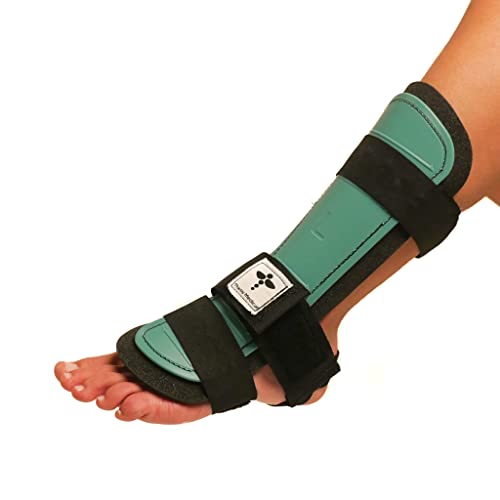
The Thetis Achilles rupture night splint is designed specifically for a completely torn Achilles tendon. It maintains plantarflexion at 155 degrees to optimize healing, and is not suitable for tendinitis or other foot conditions. It is intended to replace night-time casts or boots during rest, reducing the need to wear a boot in bed. Use requires crutches for walking and may be part of a two-week wound-healing window after surgery, as advised by a surgeon. Light and breathable construction supports comfortable rest.
Achilles Tendon RUPTURE Night Splint – Right
This right-foot version mirrors the left-foot design, holding the ankle in a 155-degree plantarflexed position to support complete rupture healing. It is intended for use during rest and not for walking, with crutches required for mobility. The splint provides a breathable alternative to a boot, potentially improving sleep quality while the tendon heals. Patients should confirm suitability with a medical professional before use, especially after surgery.
Achilles Tendon RUPTURE Night Splint – Small, Right
The small-right variant provides a compact fit while maintaining the same 155-degree plantarflexion angle designed for complete ruptures. It is positioned for nightly rest and should not be used for walking. As with other Thetis products, prior medical guidance is recommended to align with a patient’s recovery stage and any surgical timelines.
VACOped Achilles Tendon Rupture Fracture Boot

The VACOped boot offers clinically supported recovery features, including adjustable movement range and vacuum-assisted stability. Its breathable waterproof materials and removable liners make daily wear easier, with a design intended to support controlled ROM from -15° to +30°. This boot is suitable for both ruptures and general Achilles injuries, providing a walking-support option when medical guidance allows. It emphasizes comfort and ease of reapplication, aiding ongoing rehabilitation at home or on the move.
VACOped Achilles Tendon Rupture Fracture Boot (Alternative)
The alternative VACOped listing provides similar ROM adjustment and vacuum support, with a focus on a two-stage rocker sole for smoother walking. This option reinforces stability while promoting gradual weight-bearing under physician guidance. The boot’s modular design supports different liners and a removable sole, enhancing long-term usability for Achilles recovery.
BraceAbility Sleeping Stretch Boot
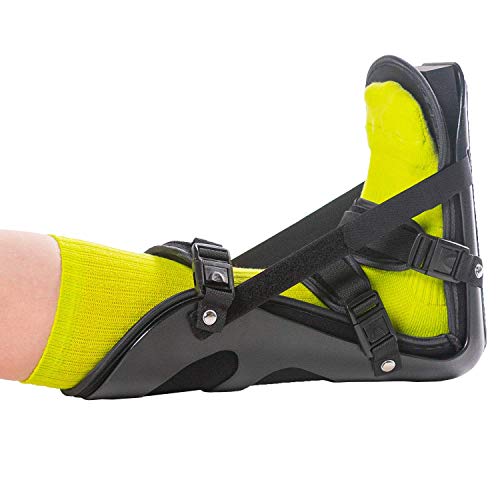
The BraceAbility sleeping stretch boot is designed for plantar fasciitis and related conditions, including Achilles tendonitis, during sleep. It features a hard exterior shell for proper foot positioning and a padded interior for comfort. The product is available in multiple sizes and can be worn on either foot, making it a versatile option for nightly stretching and relief from morning foot pain while supporting healing needs for the Achilles region.
Buying Guide: Key Purchase Considerations
When choosing a splint for Achilles rupture, several factors influence effectiveness and comfort. Consider the rupture stage, surgical status, and whether the device will be worn during the night only or also during rest periods. The critical considerations below help compare options objectively.
- Injury specificity: Some splints are designed specifically for complete ruptures, maintaining a precise plantarflexion angle to optimize tendon healing. Others support broader foot conditions such as plantar fasciitis or tendinitis and may not be ideal for ruptures.
- Immobilization angle and rigidity: A fixed plantarflexion angle (often around 155 degrees) helps align the tendon. Adjustable ROM devices allow gradual progression, which can be beneficial under clinician guidance.
- Mobility vs rest balance: Night splints prioritize rest and healing, usually limiting walking. Boots with ROM adjustment offer potential mobility but require careful supervision to avoid overloading the healing tendon.
- Comfort and material quality: Breathable fabrics, protective linings, and lightweight frames reduce discomfort and improve adherence to a healing plan, especially for extended wear.
- Size and fit: Proper sizing is crucial for effectiveness and comfort. Some products offer left/right distinctions and multiple sizes, including small options for smaller feet.
- Surgical timing considerations: Post-surgical wounds and incision sites may require particular care or waiting periods before initiating a splint. Medical professional input is essential.
- Maintenance and hygiene: Removable liners, waterproof components, and ease of cleaning contribute to long-term use and comfort during recovery.
Additional Perspectives
Choosing between a night splint and a walking boot depends on the patient’s rehabilitation plan and surgeon’s recommendations. Night splints reduce the need to wear a bulky boot in bed and can improve comfort during rest, while boots with adjustable ROM can support safer, gradual weight-bearing as healing progresses. Some patients benefit from a combination approach, using a night splint during sleep and a controlled ROM boot during supervised activities. Always align device selection with medical advice and your specific rupture characteristics.