If you’re seeking improved leg comfort and better circulation, choose graduated compression socks that support daily activities. This guide focuses on socks in the 15–30 mmHg range, suitable for travel, long standing shifts, sports, and general swelling relief. The top picks below cater to different needs: everyday wearers craving comfort, athletes seeking recovery, travelers preventing fatigue, and professionals who stand for hours. Each product is evaluated for fit, breathability, durability, and ease of use to help you pick the right pair quickly.
| Product | Brand | Type | Best For |
|---|---|---|---|
| ACTINPUT Copper Compression Socks | ACTINPUT | 15–20 mmHg | Daily wear, nurses, travelers |
| CHARMKING Compression Socks | CHARMKING | 15–20 mmHg | Athletes, travel, pregnancy support |
| BSERA Sheer Compression Socks | BSERA | 15–20 mmHg | Office wear, travel, edema relief |
| FuelMeFoot Copper Compression Socks | FuelMeFoot | Cu-infused 15–20 mmHg | General use, multi-person households |
| FITRELL 20–30 mmHg Socks | FITRELL | 20–30 mmHg | Swelling relief, travel, sports |
ACTINPUT Copper Compression Socks For Everyday Comfort

These socks offer 15–20 mmHg graduated compression with a smooth nylon-based fabric designed for daily wear, travel, and long periods of standing. The 4-pair pack provides a flexible option for households with multiple users. Best for: professionals who stand or walk long shifts, travelers, and anyone seeking dependable all-day support. A potential limitation is fit variation across calf shapes, which may require careful size selection (S/M, L/XL, 2XL–4XL).
CHARMKING 3-Pair 15–20 mmHg Compression Socks

CHARMKING emphasizes a strong nylon blend for durability and 360-degree stretch. The 15–20 mmHg compression is suitable for ongoing circulation support, fatigue reduction, and muscle recovery. Best for: athletes, frequent travelers, and pregnant individuals who need reliable everyday support without sacrificing mobility. Limitation: higher nylon content may feel less breathable for sensitive users in hot climates.
BSERA Sheer Compression Socks For Women

BSERA’s 15–20 mmHg sheer stockings use an 85/15 nylon-spandex blend for breathability and a non-binding top band. They are thin and mesh-like, promoting airflow and comfortable all-day wear. Best for: professionals who want a discreet look, travelers managing edema, and anyone needing cool, light compression. Caution: sheer fabric can be more delicate than denser knits and may require careful washing.
FuelMeFoot Copper Compression Socks Pack
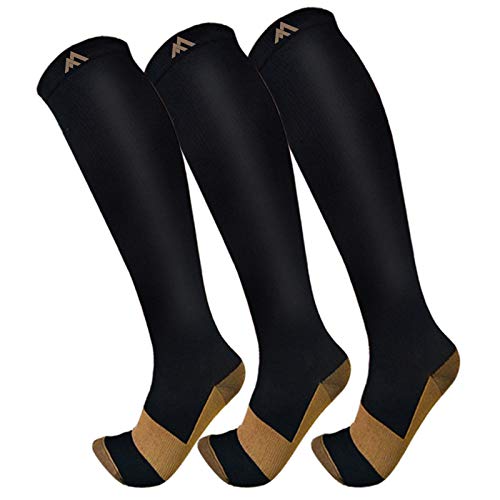
This copper-infused set emphasizes balanced warmth and 15–20 mmHg compression. The three-pack format supports sharing and rotation, with materials chosen for odor control and ventilation. Best for: multi-user households, everyday wear, and individuals seeking durable options for various activities. Limitation: copper infusion benefits can vary by individual response and may not suit users seeking non-metallic fabrics.
FITRELL 3 Pairs 20–30 mmHg Compression Socks
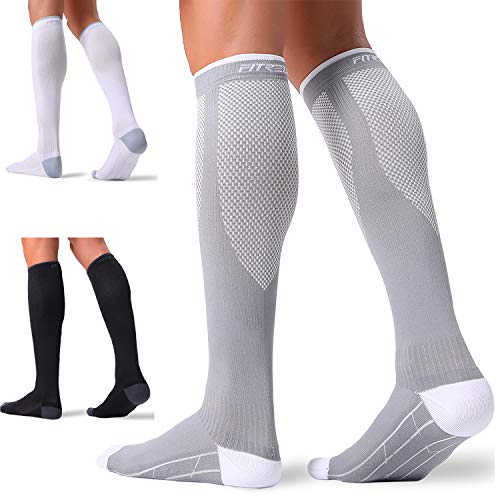
FITRELL offers stronger 20–30 mmHg graduated compression with a focus on moisture-wicking and a seamless toe design. The kit includes three colors and two size bands, designed for athletes, travelers, and professionals who stand for extended periods. Best for: users needing more robust support and targeted pressure at the ankle for swelling relief. Limitation: higher compression may feel snug for those new to compression wear; size guidance is essential to avoid discomfort.
FITFEL 3-Pair 15–20 mmHg Knee-High

FITFEL emphasizes 15–20 mmHg graduated compression with a moisture-wicking blend and a 3D circular knit for a seamless, comfortable feel. Designed for nurses, travelers, and office workers who stand or sit for long periods. Best for: those needing all-day comfort with a discreet look. Limitation: the product line focuses on a knee-high shape; thigh-high users should look at alternative options if elevation is needed.
Myshear 20–30 mmHg Thigh High Stockings
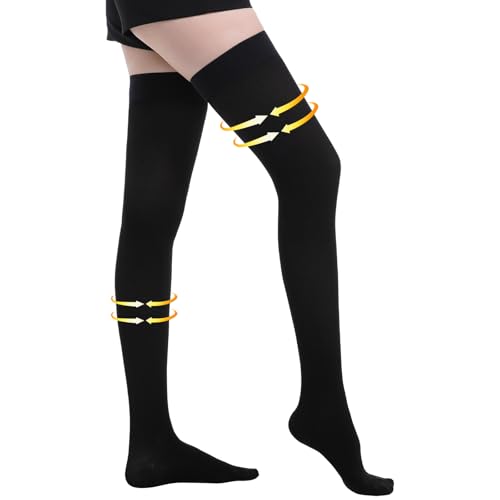
Myshear provides 20–30 mmHg medical-grade pressure with five targeted zones for enhanced circulation and swelling relief. The opaque, second-skin fabric offers a discreet look with a closed toe for support. Best for: pregnant individuals, travelers, and professionals seeking strong compression with a comfortable fit. Limitation: thigh-high design may be harder to put on for some users; ensure proper sizing for correct pressure distribution.
Buying Guide: Key Considerations For Choosing Blood-Circulation Socks
- Compression level: 15–20 mmHg is common for daily wear and mild swelling. 20–30 mmHg provides stronger support for edema and more intensive circulatory needs.
- Fit and size: look for multi-size ranges to accommodate different calf shapes. Consider S/M, L/XL, and extended sizes for broader calves.
- Material and breathability: blends like nylon/spandex balance stretch and airflow. For hot climates, prioritize breathable, moisture-wicking fabrics and consider sheer options for discretion.
- Durability and care: reinforced heels and toes improve longevity. Check washing instructions to maintain compression and fabric integrity.
- Intended use: travel, work, sports, pregnancy, or post-injury recovery influence the best choice (e.g., thigh-high vs knee-high).
- Allergies and sensitivities: consider latex-free options and copper-infused fabrics for odor control if needed.
Frequently Asked Questions
- What does mmHg mean in compression socks?
– It stands for millimeters of mercury and indicates the level of pressure exerted by the sock. Higher numbers mean firmer compression. - Who should wear 20–30 mmHg compression socks?
– Individuals with moderate to significant swelling, varicose veins, DVT risk, or those who travel long distances or stand for long periods. - Are sheer compression socks effective?
– Yes, for circulation support with a lighter feel, but they may be less durable than thicker knits and can be less supportive at higher pressures. - Can I wear compression socks every day?
– Yes, for most people, provided the fit is comfortable. If you have medical conditions, consult a clinician for personalized guidance. - How do I find the right size?
– Use calf circumference and shoe size as a guide. Manufacturers’ size charts are essential for accurate pressure distribution. - Do copper-infused socks really help with odor?
– Copper fibers can help reduce odor for some users, but results vary and care instructions influence longevity.