For effective wound care, choose a stretch netting dressing retention product that is breathable, non-adhesive to skin or hair, and easy to adjust. This guide highlights top options suited for different needs, from light wound dressings to tubing and catheter stabilization. Ideal buyers include caregivers seeking simple, non-irritating dressings for home use, healthcare workers needing reliable securement, and athletes requiring flexible support without added pain.
Summary of selected products:
| Product | Best For | Key Benefit | Notes |
|---|---|---|---|
| Care Science Elastic Stretch Net | Home care, general wound dressings | Breathable, non-stick, secure dressings | Soft open weave |
| 2 Rolls Tubular Bandage Elastic Net (Treela, Size 4) | Arms/legs, light to moderate wounds | Tubular, easy to apply, cut-to-length | Adhesive-free |
| Tubular Stretch Gauze Bandage (CXWPDD) | Active users, flexible protection | Premium cotton, easy to customize | Elastic, breathable |
| 2 Rolls Tubular Bandage Elastic Net (Treela, Size 6) | Lower limbs, larger dressings | Long length when stretched, versatile | Spandex blend |
| Medline Stretch Tubular Elastic Dressing Retention Net (Size 5) | Clinical settings, catheter/dressing security | Adaptive pressure, durable | Latex-free |
Care Science Elastic Stretch Net, 1 Roll

Features include secure coverage for primary dressings, breathable protection, and non-stick performance. Best for home caregivers who need to hold medium to large dressings in place without sticking to skin or hair. This option favors comfort and skin-friendliness when dressing wounds.
Who it’s best for: Individuals managing daily wound care at home, especially those seeking a gentle, non-irritating wrap for stable dressings.
Why selected: Combines secure dressing holds with breathable fabric and non-stick properties, reducing pain during changes.
Limitation: May not be ideal for very small or highly contoured areas where precise sizing is critical.
Treela Tubular Bandage Elastic Net Wound Dressing (Size 4)
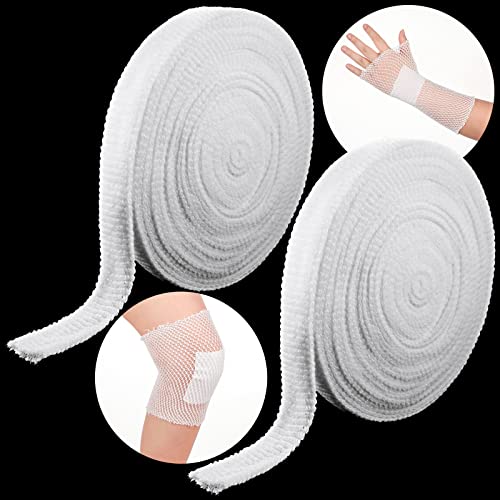
Breathable tubular bandage with spandex that stays cool and dry, easy to cut, and quick to apply without adhesive tape. Best for arms, legs, or feet where a comfortable, self-retaining wrap is desired. It’s suitable for wounds needing light compression and secure dressing retention.
Who it’s best for: People seeking a stretch-only wrap that’s easy to adjust and remove without additional adhesives.
Why selected: Flexible, long lengths allow tailoring to fit different body parts and wound sizes.
Limitation: May require careful sizing to avoid looseness on highly active patients.
CXWPDD Tubular Stretch Gauze Bandage

Made from elastic cotton, this tubular bandage is breathable and easy to cut to size. It provides effective support for soft tissue injuries and helps stabilize wounds without needing needles or tape. Best for users who prefer a cotton, skin-friendly option with straightforward sizing.
Who it’s best for: Patients needing comfortable, breathable retention that’s simple to adjust.
Why selected: Cotton content and tubular design support reliable compression and wound care.
Limitation: May not be ideal for very wet or heavily exudating wounds where moisture management is critical.
Treela Tubular Bandage Elastic Net, Size 6

Offers a longer, stretchable length suitable for larger dressings on legs or arms. Breathable spandex blend provides comfortable wear while maintaining a secure fit. Best for larger wounds or dressings where extended coverage is helpful.
Who it’s best for: Individuals needing extended length to secure larger dressings or long wounds.
Why selected: The extended length and flexible material support versatile wound care without adhesive tape.
Limitation: Could be less comfortable for users with very sensitive skin if not cut precisely to size.
Medline Stretch Tubular Elastic Dressing Retention Net (Size 5)

Not latex-based, this retention net is designed for stability of dressings, tubing, and catheters. It uses adaptive pressure in necessary areas to balance comfort with secure hold. Best for clinical use where reliable containment is essential.
Who it’s best for: Medical settings and caregivers needing dependable retention without latex exposure.
Why selected: Notable for durability and secure hold in moisture-prone environments.
Limitation: May feel stiffer in cold environments or with very thin dressings.
Buying Guide: Key Considerations For Stretch Netting For Wounds
- : Look for breathable fabrics (cotton or spandex blends) to reduce skin irritation and heat buildup.
- : Favor products that do not stick to wounds, fur, or hair to minimize trauma during changes.
- : Choose sizes or roll lengths that match the wound area and planned usage; longer rolls suit larger dressings.
- : Tubular, tape-free designs simplify application and removal, especially for self-care.
- : If latex sensitivity is a concern, select latex-free options to avoid allergic reactions.
- : Consider moisture tolerance for settings where dressings may become damp or exudative.
- : For arms, legs, or joints, ensure the fabric can conform to contours without restricting movement.
- : Medical-grade products may emphasize durability and sterile packaging, while home-use options prioritize comfort and simplicity.
Frequently Asked Questions
- What is stretch netting used for in wound care? It helps secure dressings, tubing, and catheters while allowing air circulation to the skin.
- Is this type of product latex-free? Some options are latex-free; check product descriptions to confirm.
- Can I cut tubular bandages to size? Yes; most are designed to be cut to fit the wound and body part.
- How do I know which size to choose? Base sizing on the wound area and limb circumference; when in doubt, choose a longer roll for easier adjustment.
- Are these products suitable for sensitive skin? Cotton-containing and non-stick options are generally gentler for sensitive skin.
- Do these nettings interfere with wound healing? When used as directed, they help keep dressings in place and reduce irritation from shifting dressings.