For shoppers seeking tapes that cling to skin with minimal irritation, these five options prioritize gentle adhesion, easy removal, and reliable hold. They’re ideal for sensitive skin, frequent dressing changes, and securing bulky dressings or devices. This guide helps you compare features, best-use cases, and practical trade-offs to choose the right tape for your needs.
| Product | Best For | Key Benefit |
|---|---|---|
| Nexcare Strong Hold Pain-Free Tape | Pain-sensitive skin; short-term wear | Pain-free removal with secure hold |
| Healqu Silk Like Medical Tape | Long dressings; active use | Strong hold and hypoallergenic |
| Ceeport Soft Silicone Tape | Sensitive skin; open wounds care | Waterproof, easy tear, painless removal |
| NanaCare Clear Medical Tape Waterproof | Water exposure; frequent dressing changes | Waterproof barrier and hypoallergenic |
| Dimora Silicone Medical Tape | Open wounds; sensitive skin care | No-residue, easy tear perforation |
Nexcare Strong Hold Pain-Free Tape

This tape targets users who need a secure hold with painless removal. It uses a proprietary silicone adhesive designed for easy peel-off, reducing skin trauma. It can hold dressings for up to 48 hours, making it suitable for short-term wound care and sensitive skin. Best for those who want minimal discomfort during removal and reliable adhesion.
Best for: people who frequently change dressings and prioritize comfort. Limitation: removal time may vary with skin condition and moisture.
Healqu Silk Like Medical Tape
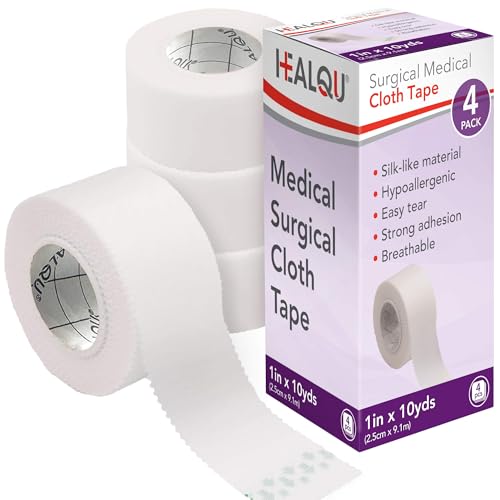
This 1 in x 10 yd tape comes in a 4-roll bundle, designed for securing bulky dressings and splints. It emphasizes strong initial and long-term adhesion to dry skin while remaining hypoallergenic and latex-free. It’s a practical choice for long-wear needs or activities that involve movement. Best for: patients with larger dressings or splints who require a dependable, irritation-free hold.
Limitation: may be less flexible on extremely contoured areas compared with silicone options.
Ceeport Soft Silicone Tape

Designed for sensitive skin, this silicone-based tape is latex-free and hypoallergenic. It provides gentle adhesion with easy, pain-free removal. The waterproof, breathable barrier supports skin comfort, making it suitable for showers or active wear. Best for: skin-prone users needing tender adhesion and clean removal. Limitation: pre-cut lines guide sizing, but may require careful application for irregular areas.
NanaCare Clear Medical Tape Waterproof

This waterproof tape provides a clear, secure barrier against moisture while remaining gentle on sensitive skin. It’s designed for clean removal with minimal residue and supports wound care, dressings, and gauze pads. Best for: showers, baths, or daily wear when moisture is a concern. Limitation: waterproof performance depends on skin condition and wound setup.
Dimora Silicone Medical Tape

Dimora’s silicone tape emphasizes a no-residue removal experience and easy tear perforations for sizing. It’s versatile for wound care, securing dressings, and lightweight devices. Best for: users who value clean removal and minimal skin irritation. Limitation: silicone tapes can be less forgiving on very hairy or irregular surfaces without proper positioning.
Buying Guide
- Skin sensitivity: Choose hypoallergenic or silicone-based tapes to minimize irritation and discomfort upon removal.
- Duration of wear: For short-term dressings, look for painless removal and secure adhesion within 24–48 hours.
- Water exposure: If moisture is a factor, prefer waterproof or water-resistant tapes that still permit breathability.
- Area and contour: For joints or curved areas, consider tapes designed for conformability and easy tearing.
- Residue concerns: Some tapes leave no residue, which is ideal for frequent dressing changes and sensitive skin.
FAQ
- What makes a tape “skin-friendly”? This term usually refers to hypoallergenic materials, latex-free formulations, and gentle adhesion that reduces irritation during removal.
- Can I use silicone tapes for all wounds? Silicone tapes are versatile but consult medical guidance for open wounds or implants to ensure proper use.
- Is waterproof tape always best? Waterproof tapes protect dressings in moisture but may require careful removal in sensitive skin.
- How do I choose the right width? Wider tapes offer more coverage and hold for bulky dressings; narrower options are better for small wounds and joints.
- Does adhesive residue matter? Yes; residue can irritate skin during repeat dressings and complicate cleanup.
- How should I test a new tape? Apply a small patch to an unobtrusive skin area for 24 hours to check for irritation before broad use.