Answering the search for telescopic or magnifying glasses for low vision, this guide spotlights five accessible options that help with distance viewing, reading small print, and detail-rich tasks. Each pick targets different needs—from lightweight wearables for active outdoor use to robust, high-magnification models for indoor reading. Best for seniors, hobbyists, or anyone seeking hands-free magnification, these selections prioritize comfort, portability, and effective visual enhancement.
| Product | Best For |
|---|---|
| 2.1X Eschenbach Max TV Glasses Distance Viewing by Magnifying Aids | Low-vision users needing a bright, wide field of view |
| Binocular Glasses, 3X Zoom HD Lens Adjustable Focus Distance (Sanpyl) | Outdoor viewing, sports and travel |
| 2.1X Eschenbach MaxTV Glasses – Distance Viewing | Distance tasks with Eschenbach optics |
| Belsuny Low Vision Glasses | Glare reduction and contrast enhancement |
| Pesoncarl Adjustable Eyeglasses 8X Magnifying Glasses | Hands-free close reading and fishing |
2.1X Eschenbach Max TV Glasses Distance Viewing by MAGNIFYING AIDS
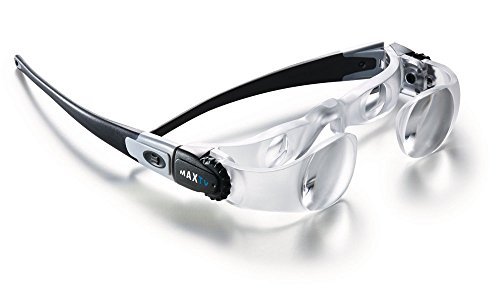
Best for: users who need a bright, wide field of view with moderate magnification for distant text and objects. This Galilean design provides 2.1x magnification with a wide 20° viewing angle, making it suitable for watching TV, viewing distant signs, or indoor reading from a distance.
Why this pick: Lightweight construction (about 49 grams) and Eschenbach PXM optics with individually focusable lenses help compensate for mild spherical correction and allow focal adjustment from 10 feet to infinity. Flexible plastic temples add comfort for extended wear.
Limitation: This model may be less effective for very fine details at multiple distances if additional magnification is needed. Consider pairing with a higher magnification option if your tasks frequently require closer inspection.
Binocular Glasses with 3X Zoom HD Lens (Sanpyl)

Best for: outdoor enthusiasts and travelers who need adjustable focus for distant subjects like wildlife, concerts, or scenic viewing. The binocular design supports hands-free magnification with a larger field of view.
Why this pick: HD lens with customizable optical elements provides clearer imaging and enhances viewing in varied lighting. The unit includes three color filters (red, yellow, gray) to adapt to different lighting conditions and reduce glare.
Limitation: The adjustable focus relies on a manual wheel; users needing automatic or rapid quick-focal changes may prefer models with faster, easier focus adjustment. Diopter tolerance should stay within ±7 for best clarity.
Belsuny Low Vision Glasses for Macular Degeneration
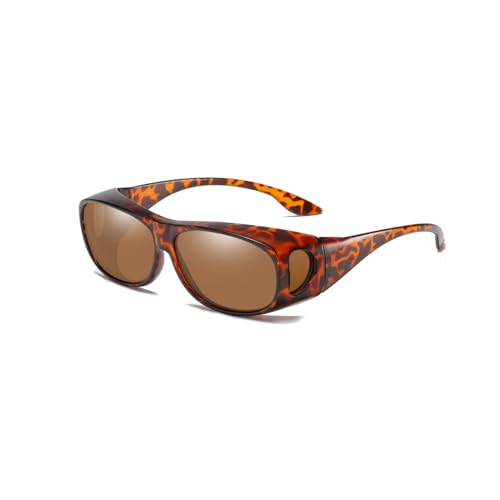
Best for: users seeking glare reduction and brighter, higher-contrast vision in bright outdoor conditions or on cloudy days. The glasses aim to improve contrast and definition for mobility and daily tasks.
Why this pick: Blue light and UV-blocking features filter adverse light while preserving essential warmer tones. The design prioritizes comfort with a wide fit and a focus on improving visual clarity in challenging lighting.
Limitation: Users may require an adjustment period to maximize effectiveness. Results can vary based on individual eye condition and adaptation speed.
Pesoncarl Adjustable Eyeglasses 8X Magnifying Glasses

Best for: wearers who need high magnification for precise inspection, reading small print, or detailed hobbies like fishing with close-range tasks. The hands-free design enables the user to engage in activities without holding a device.
Why this pick: 8x magnification provides substantial detail visibility and the glasses are designed for wearing like regular eyewear, giving hands-free convenience for reading, viewing, or fishing in windy or reflective environments.
Limitation: Higher magnification can reduce depth of field; ensure you have steady hands or use a stable surface when focusing on small details. Pairing with lower magnification for broad context can help in some tasks.
Buying Guide
What magnification level do you need? Choose lower magnification (1.5x–2.5x) for comfortable daytime use and longer wear, or higher magnification (6x–8x) for detailed close work. Consider your typical tasks and how often you will wear the glasses.
Field of view matters. A wider field helps you locate objects quickly and reduces eye strain. Galilean designs often offer brighter, wider views, while prismatic systems may boost detail at the expense of field width.
Comfort and weight. Light, wraparound frames with adjustable nose pads are better for all-day wear. If you have a sensitive nose or ears, look for models with soft padding and flexible temples.
Lens quality and coatings. Anti-glare or blue-light filtering can improve contrast and reduce fatigue in bright environments. UV protection adds outdoor usability and comfort.
Adjustability and fit. Interchangeable or individually focusable lenses can compensate for mild refractive errors and accommodate different users, including those with astigmatism or presbyopia.
Portability and ease of use. Hand-free options are ideal for reading, crafts, fishing, or travel. If you frequently switch tasks, consider glasses with quick focal adjustments or a wider field to minimize constant repositioning.
Care and maintenance. Clean lenses with a soft microfiber cloth and store in a protective case. Avoid abrasive cleaners that may scratch coatings.
FAQ
- What is the best magnification for everyday activities? Start with 2x to 3x magnification for general reading and distance tasks. If you frequently need to read tiny print, higher magnification options may be more suitable.
- Are these glasses suitable for active outdoor use? Yes, models with lightweight frames, glare reduction, and wider fields of view are designed for outdoor viewing and travel. Consider a pair with better sun glare resistance for bright days.
- Can these glasses help with macular degeneration? Some glasses are designed to enhance contrast and reduce glare, which may aid mobility and daily tasks. They should complement professional guidance and other low-vision aids.
- Do I need an eye prescription to use these? Most products listed are designed to provide magnification without requiring a new prescription. If you have specific refractive errors, consult an eye care professional to determine compatibility.
- How should I choose between monocular vs. binocular designs? Monocular designs are lighter and simpler for occasional use, while binocular models offer a broader field of view and steadier perception for outdoor or active use.
- What should I expect in terms of adaptation time? Some users adjust within days to a couple of weeks, especially for higher magnification. Start with shorter sessions and gradually increase wear time.