When selecting a toddler formula or supplement to ease constipation, target products that support gentle digestion, promote regular bowel movements, and avoid harsh laxatives. The top picks below are best for busy parents seeking easy-to-administer options with clear ingredient benefits. This guide highlights who each product is best for, potential limitations, and why it was selected.
The quick-reference table below summarizes five well-suited options for toddlers dealing with occasional constipation. It helps compare purpose, key ingredients, and suitable age ranges for fast decisions.
| Product | Best For | Key Benefit | Notes |
|---|---|---|---|
| Mommy’s Bliss Constipation Ease + Prebiotics | Toddlers needing gentle relief | Prune juice, fennel, dandelion for regularity | No harsh laxatives; syringe included |
| DR. BO Constipation Relief for Kids | Kids needing herbal, non-stimulant support | Senna-free, organic fennel & prebiotic fiber | Liquid format; daily use possible |
| Else Nutrition Signature Toddler Formula | Toddlers needing dairy-free option | Plant-based with prebiotics and DHA | Soy- and dairy-free |
| Go & Grow 360 Total Care by Similac | General digestive and immune support | 5 HMOs for gut health, DHA for brain development | Powder formula, traditional toddler drink |
| JoySpring Potty Wise Drops | Herbal, gentle relief with immune support | Elderberry, fennel, licorice, senna in a drop | Sugar-free, vegan |
Mommy’s Bliss Constipation Ease + Prebiotics
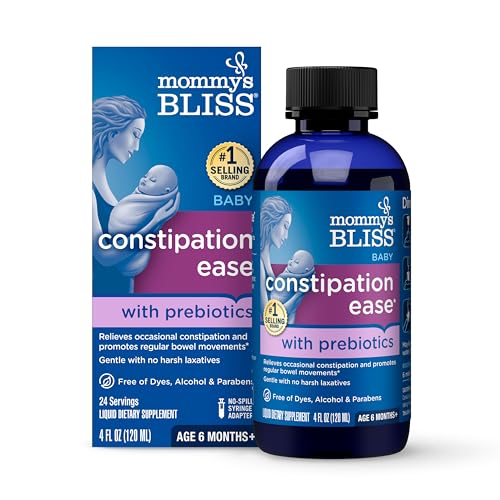
Best for: Toddlers age six months and up who need gentle, non-laxative relief. This product uses prune juice, organic dandelion, and organic fennel to support regular bowel movements and overall digestion. It is designed to be administered with a syringe that minimizes spills, making it easier for caregivers to give consistently. Limitations: It is a dietary aid rather than a medication, so results depend on individual tolerance and digestive health.
Constipation Relief for Kids Liquid Drops – Dr. Bo

Best for: Parents seeking a gentle, herbal-based liquid option with prebiotic fiber and fennel. The formula emphasizes natural stool softening and gut support without stimulant laxatives. It is labeled as USDA Organic and marketed for daily use in children. Caution: Individual responses vary; check for potential sensitivities to herbal components or fennel, and ensure appropriate dosing for your child’s age and weight.
Else Nutrition Signature Toddler Formula

Best for: Toddlers needing a dairy- and soy-free option with plant-based nutrition. This European-style formula emphasizes prebiotics and DHA to support digestion, immunity, and growth. It is a good alternative for families avoiding animal-milk ingredients. Limitation: As a formula rather than a stool-softening product, it focuses on overall nutrition; it may not provide targeted relief for constipation in all children.
Go & Grow 360 Total Care by Similac

Best for: Toddlers needing comprehensive digestive support with HMOs for gut health. This product is the first US toddler drink with an exclusive blend of 5 HMO prebiotics, offering potential improvements in bowel regularity alongside DHA for brain development. Limitation: It is a traditional drink, so the fiber content is distributed across servings; caregivers should monitor tolerance and stool changes over time.
JoySpring Potty Wise Drops

Best for: Families seeking a natural, herbal option with immune-supporting elderberry and non-stimulant ingredients. Potty Wise is designed for occasional constipation relief in toddlers and children, using licorice root, fennel, elderberry, and senna in a sugar-free, vegan formula. Limitation: It contains senna, so caregivers should use per recommended dosing and observe for any sensitivity or overuse concerns.
Buying Guide: How To Choose The Right Toddler Constipation Support
What should you consider when selecting a toddler constipation product? Here are practical questions and answers to help navigate choices.
Is the product formulated for gentle relief or active stool softening?
Gentle relief options, like those using prune juice or prebiotic fiber, are best when constipation is sporadic. Stool-softening or mild laxative alternatives may be considered for ongoing issues, but always follow dosing guidelines and consider a pediatrician’s advice.
Does the product align with dietary needs?
Dairy-free or soy-free options help families with sensitive diets. Plant-based formulas offer dairy-free nutrition, while goat milk-based drinks may suit toddlers with cow milk sensitivities. Always check allergen information on the label.
What form is easiest to administer?
Liquid drops, syringes, or ready-to-mix powders each have pros and cons. Liquids can be easier for very young children; syringes reduce spills; powders require mixing and may take longer to prepare.
Are there any herbal ingredients to watch for?
Herbal blends such as fennel, licorice root, or senna can be effective but may cause sensitivities in some children. Use products with clearly listed ingredients and recommended dosing for age and weight.
How does the product support overall digestion and immunity?
Innovations like HMOs, prebiotics, and DHA support gut bacteria and growth. For broad benefits, look for formulas that combine digestion support with immune- or brain-development nutrients when appropriate.
How to monitor progress?
Track stool consistency, frequency, comfort, and any adverse reactions after starting a product. If constipation persists beyond a couple of weeks or worsens, consult a pediatrician for evaluation and guidance.
FAQ: Quick Answers For Parents
- What age can these products be used? Most items target toddlers and older children; always follow label directions and consult a pediatrician for younger toddlers or special cases.
- Can these supplements replace a diet high in fiber? They should complement a balanced diet rich in fruits, vegetables, and fluids. Fiber needs vary by child; discuss dietary goals with a clinician.
- Are these products medically approved? They are dietary aids or formulas, not medications. None of the entries here claim medical approval; use according to labels and clinician guidance.
- Do they contain sugar or artificial additives? Several options are sugar-free or use natural sweeteners; always read the ingredient list for additives and allergens.
- Is one option better for daily use? If daily support is desired, consider a product formulated for regular use with clear dosing guidance and age-appropriate serving size.
- Should I switch products if constipation continues? Yes. If there is no improvement after a couple of weeks, seek medical advice to rule out underlying conditions.