Buying at-home urine test strips for kidney function helps you monitor hydration, kidney health, and related indicators without a clinic visit. The top choices below offer wide-panel testing, clear results, and easy at-home use. They’re best suited for adults tracking wellness, people with a history of kidney or liver concerns, and anyone needing quick daily or weekly checks.
Summary of selected products:
| Product | Parameter Range | Best For | Notes |
|---|---|---|---|
| Palinoia 14-in-1 Urine Test Strips | 14 parameters | Comprehensive home screening | Lab-level feel with a 100-strip bottle |
| DIAGNOX HEALTH Urine Protein Test Strips | Proteinuria focus | Kidney health monitoring | Individually wrapped for freshness |
| Med Lab Diagnostics 10 Parameter Strips | 10 parameters | General urinalysis needs | Large sealed pouch pack |
| LabPack 10-in-1 Urine Test Strips | 10 parameters | Family-wide routine checks | 120 strips per box for families |
| NEXAHOL 14 Panel Full Panel | 14 panel | Daily wellness monitoring | At-home quick results |
Notes: All products listed here aim to provide at-home urinalysis with clear color comparisons. Use as a companion to medical advice, especially if you notice abnormal results over time.
Palinoia 14-in-1 Urine Test Strips

The Palinoia 14-in-1 test strips provide a broad panel for at-home urinalysis. Best for adults who want a broad overview of kidney, liver, hydration, and general health indicators in a single test strip. This kit emphasizes professional-grade testing accuracy and a resealable bottle for long-term use.
Who this is for: someone needing wide coverage in a single test, and households that prefer a large supply. Why selected: its 14-parameter scope helps identify patterns across multiple systems, supporting proactive health checks.
Caution: results may require confirmation if any parameter is out of range; consult a clinician for follow-up testing if abnormal values persist.
DIAGNOX HEALTH Urine Protein Test Strips

This product focuses on proteinuria, making it ideal for monitoring potential kidney stress, inflammation, and related cardiovascular concerns at home. It uses fast 60-second results and individually wrapped strips for freshness and reliability.
Best for: individuals with a history of kidney or cardiovascular risk who want regular protein monitoring. Why chosen: quick, clear results help spot trends in protein leakage that may warrant professional assessment.
Limitation: protein-only focus means you’ll need additional strips for a full urine panel if broader screening is desired.
Med Lab Diagnostics 10 Parameter Strips
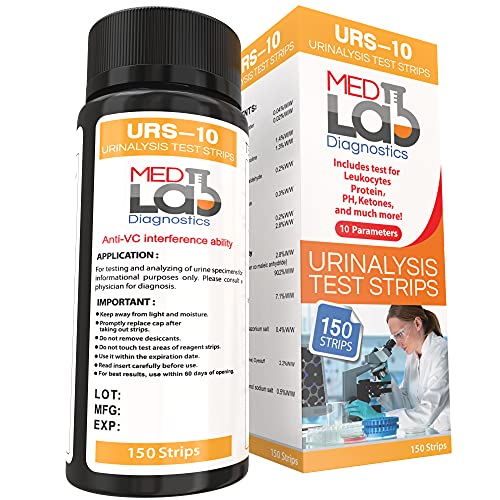
Med Lab Diagnostics offers a ten-parameter urinalysis panel suitable for routine checks. It covers common indicators like pH, protein, and ketones with straightforward guidance and a large color chart for interpretation.
Who this is for: households needing a balanced, affordable full panel without extra features. Why selected: a compact option with clear, rapid results for everyday wellness tracking.
Caution: while broad, it may miss some less common markers found in more expansive panels.
LabPack 10-in-1 Urine Test Strips

LabPack’s 10-in-1 strips are designed for family use, offering 120 strips per box. They test a broad range of parameters and provide quick results in about a minute, making them a practical option for ongoing wellness checks.
Best for: families or individuals who want a steady supply for routine monitoring. Why chosen: generous quantity supports frequent testing, reducing refill frequency.
Limitation: while comprehensive, it may not cover every specific marker found in higher-parameter panels.
NEXAHOL Urine Test Strips – 14 Panel

The NewPos 14-panel style (listed here as NEXAHOL) provides a broad health snapshot, including kidney and liver function indicators. This option is suitable for daily wellness checks and early detection of potential concerns through a wide panel.
Best for: users who want a robust at-home panel to track multiple organs and systems together. Why selected: broad coverage supports longitudinal health monitoring and trend analysis.
Note: ensure you compare results against a standard reference chart to interpret any deviations accurately.
Buying Guide
What panel size do you need?
For general wellness, a 10- to 14-parameter panel provides a broad view. If kidney-specific monitoring is your priority, consider a protein-focused or UTI-focused strip, then supplement with a broader panel as needed.
How many strips should you buy at once?
Consider household usage. A 100- to 125-count bottle suits individuals testing weekly, while 120 strips per box work well for families performing frequent checks.
What should you look for in results?
Look for clear color charts, easy-to-read indicators, and explicit guidance on what constitutes a normal range. Prefer products that offer quick, interpretable results and a straightforward method to compare over time.
Are there limitations to at-home testing?
Yes. At-home tests are screening tools and not a substitute for medical diagnosis. If results show persistent abnormalities, follow up with a healthcare professional for confirmation and guidance.
What indicates when to seek medical advice?
Repeated abnormal readings, sudden changes in color indicators, or symptoms such as swelling, persistent fatigue, or pain warrant clinical evaluation regardless of home results.
FAQ
- Can at-home urine strips reliably monitor kidney function? They provide quick screening data and trend information but are not a replacement for clinician-led tests or diagnoses.
- Which parameter is most important for kidney health? Protein (proteinuria) is a key indicator; persistent protein in urine can suggest kidney stress or disease and requires professional assessment.
- How often should I test with these strips? Frequency depends on your health status and doctor’s advice. Daily or weekly checks are common for ongoing monitoring, especially if you have risk factors.
- Are all panels the same? No. Panels vary in the number of parameters. Larger panels cover more indicators, while smaller panels focus on essential measures.
- What is the best way to store test strips? Keep them in their resealable bottle, away from moisture and heat, to maintain accuracy and extend shelf life.
- What should I do if a result is outside the reference range? Record the result, note any symptoms, and contact a healthcare professional for guidance and potential follow-up tests.