Answering the demand for safe, space-saving vertical access at home, these residential lifts and stair-climbing options are designed for multi-story living. The top picks below are suited for private homes, villas, duplexes, and townhouses, with different installation footprints and lifting mechanisms. Ideal buyers include homeowners upgrading accessibility, renovators adding convenience to two-to-three-story homes, and clients seeking quiet, compact lifts for limited spaces.
Summary of selected products:
| Product | Best For | Highlights |
|---|---|---|
| Wheelchair Accessible Private Custom Home Elevator | Homeowners seeking a private, glass-cabin elevator | No pit, no machine room; customizable models; quiet operation |
| Luxury Home Elevator | Stylish, upscale villas and vacation homes | Pitless shaftless design; indoor/outdoor placement; smooth operation |
| Shaftless Pitless Home Elevator | Renovations with limited space | Low vibration, flexible installation; supports multi-level homes |
| Through the Floor Traction Home Elevator | Luxury multi-story homes needing aesthetic integration | Glass exterior visuals; LED lighting; versatile placement |
| Electric Stair Climbing Wheelchair Lift | Raising mobility aids on stairs without permanent installation | Portable, weight-rated, no construction |
Wheelchair Accessible Private Custom Home Elevator

Best for private homes where space is at a premium and customization matters. This compact, no-pit, machine-roomless design fits 2-3 story villas, duplexes, and townhouses, preserving interior design while delivering reliable vertical transport. It includes multi-layer safety features and quiet operation, suitable for elderly residents and children.
Who it’s best for: homeowners needing a discreet, space-saving elevator for daily private use. Why chosen: strong space efficiency, no pit or dedicated machine room, and emphasis on safety features.
Limitations: exact model configurations vary; confirm final options and installation requirements with the seller before purchase.
Luxury Home Elevator, Vertical Accessible Residential Elevator

This pitless shaftless design is aimed at flexible installation for various residential settings, including indoor/outdoor villa placements. It suits well for new builds and renovations in multi-story homes, delivering smooth, quiet operation and stable lifting performance for daily use.
Who it’s best for: buyers wanting a high-end, adaptable lift that blends with luxury interiors. Why chosen: space efficiency, adaptable placement, and reliable performance.
Limitations: installation flexibility depends on home layout; verify site clearance and structural compatibility with installers.
Shaftless Pitless Home Elevator

Best for renovation-heavy projects where floor-to-floor access is needed with minimal disruption. This pitless, shaftless elevator supports simple integration into Villas, duplexes, and townhouses, with low vibration and reliable running for everyday use.
Who it’s best for: homeowners upgrading existing spaces with limited excavation options. Why chosen: adaptable, compact footprint and quiet operation.
Limitations: model customization means final specs may vary; confirm final elevator dimensions and options with the supplier.
Through the Floor Traction Home Elevator

Best for luxury residences seeking a visually striking vertical lift with modern LED lighting. This elevator emphasizes a premium look and multi-story accessibility while offering dependable performance for villas, hotels, and guest houses.
Who it’s best for: buyers prioritizing aesthetics and contemporary design. Why chosen: luxury appearance, LED lighting, and strong suitability for multi-story homes.
Limitations: premium design may involve higher installation complexity and cost than simpler pitless models.
Electric Stair Climbing Wheelchair Lift
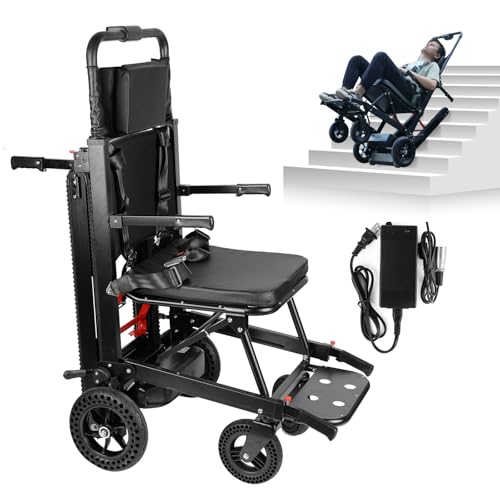
Best for temporary or semi-permanent mobility assistance on stairs without major construction. This portable stair-climbing chair provides a practical alternative to fixed stair lifts, especially where floor-to-floor access is occasionally needed.
Who it’s best for: caregivers and households needing flexible, non-permanent stair access. Why chosen: portability, high load capacity, and ease of setup.
Limitations: not a permanent home lift; suitability depends on the number of stairs and installation environment.
Buying Guide
- Installation footprint: Choose a model that fits your available space. Pitless and shaftless designs save room and avoid building pits.
- Multi-story suitability: Verify the number of stories supported and the expected vertical travel range. Some lifts target 2-3 story homes, others support broader layouts.
- Power and ambiance: Consider hydraulic versus traction systems and expected noise levels, especially for bedrooms and living spaces.
- Safety features: Look for emergency stops, anti-pinch sensors, overload protection, safety belts, and secure doors or gates.
- Indoor vs. outdoor placement: Some models support both indoor and outdoor use; confirm weather resistance and sealing if exposed to the elements.
- Customization options: If you require specific cabin materials, glass designs, or control configurations, confirm model flexibility and lead times.
- Budget versus long-term value: While higher-end lifts may cost more upfront, consider maintenance, durability, and long-term accessibility needs.
Frequently Asked Questions
- What is a pitless home elevator? A pitless elevator is designed to install without an underground pit, reducing excavation and installation complexity.
- Can these elevators be installed in existing homes? Yes, several models are designed for retrofit, including shaftless and machine-room-less designs.
- Are residential lifts safe for elderly users? Yes, many include safety features like emergency stops, anti-pinch sensors, and overload protection.
- Do these lifts require a dedicated machine room? Some models are machine-room-less, eliminating the need for a separate mechanical room.
- Is outdoor installation possible? Certain models support indoor and outdoor placement; verify weather resistance with the manufacturer.
- What maintenance do these lifts require? Regular inspection of cables, rails, doors, and control systems is advised; follow the manufacturer’s maintenance schedule.