When choosing a water bottle for dementia patients, the priority is reliability, ease of use, and safety. These five options emphasize leak-proof designs, simple lids, and features that aid memory and grip. They’re best for caregivers, family members, and in-home care settings seeking practical hydration solutions. The following picks balance practicality with thoughtful design to support daily hydration without extra stress.
| Product | Best For | Key Benefit |
|---|---|---|
| Enerbone 32 oz Water Bottle (Times to Drink) | Active adults and caregivers | Motivational times and a carry strap |
| Vakly Insulated Hospital Carafe 18 oz | Patients with tremors or limited hand strength | Leak-proof, large handle, built-in straw |
| Edmyre 32oz Clear Water Bottle | Everyday use and travel | Large capacity, easy-to-clean wide mouth |
| HVLVOYG PPSU Water Bottle 17oz | Postpartum and bedrest scenarios | Ergonomic, gravity-fed straw, safe materials |
| Sliner Adult Sippy Cups 12 oz | Residents with dysphagia or tremors | No-spill design, two handles for grip |
The following sections provide detailed comparisons to help you choose the best bottle for a dementia care routine, including factors like grip, spill resistance, capacity, and ease of use.
Enerbone 32 Oz Water Bottle With Timed Markings
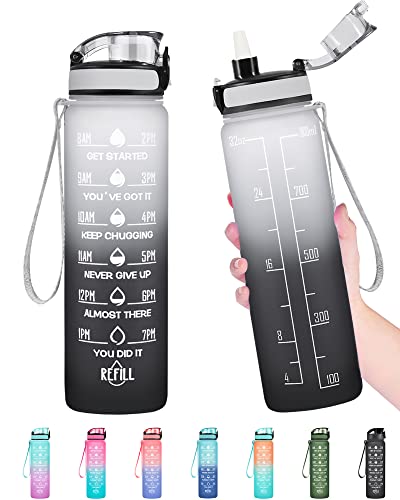
Best for daily reminders and active routines. This bottle combines a 32-ounce capacity with a motivational time marker and a removable straw for spill-proof sipping. One-handed opening and a secure flip-top lid reduce handling complexity, helping reduce frustration for users with limited dexterity. The carrying strap supports hands-free transport during activities like walking or commuting. A caution: the presence of both a direct drinking port and an optional straw may require initial guidance to use correctly to prevent accidental spills.
Vakly Insulated Hospital Carafe 18 Oz
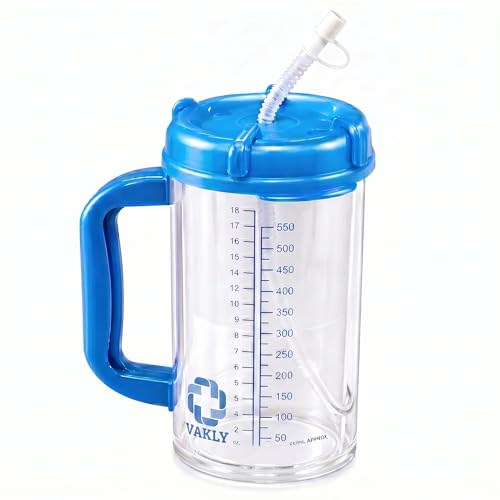
Best for tremors or weak grip. This carafe features double-wall insulation, a large handle, and a leak-proof snap-on lid with a pull tab for easy opening. It can function as a bedside cup or a stand-alone pitcher, offering versatility for caregivers. The integrated straw option supports sipping from a seated or lying position. Limitation: the 18-ounce capacity may require more frequent refills for highly active users or environments with high fluid goals.
Edmyre 32oz Clear Water Bottle

Best for everyday use and travel. The 32-ounce capacity supports all-day hydration, and a clear capacity scale helps monitor intake at a glance. The wide mouth simplifies cleaning and adding ice or fruit. A caution: wide-mouth bottles can be harder to seal tightly for some users if the lid becomes misaligned after frequent use.
HVLVOYG PPSU Water Bottle 17oz

Best for comfort-friendly design. Made from durable PPSU material, this bottle uses an extra-wide straw for smooth sipping and a gravity-fed option that can assist patients who prefer not to sit upright. It’s particularly suitable for postpartum or limited-mobility scenarios, offering a safe, easy-drink experience. Caution: the gravity-fed design requires careful supervision to ensure correct use and to avoid overhydration in some patients.
Sliner Adult Sippy Cups 12 Oz

Best for dysphagia or tremor-prone users. This 12-ounce sippy cup features two handles for stability and a no-spill design to prevent accidental leaks. The transparent body helps caregivers monitor liquid level, while the soft straw promotes comfortable sipping. A caveat: the smaller capacity means more frequent refills for individuals with higher daily intake needs.
Buying Guide
What to prioritize when choosing a bottle for dementia care
- Spill resistance: Look for leak-proof lids, secure locks, and either a straw or a no-spill sipping design to minimize mess and frustration.
- Grip and weight: Choose bottles with large handles, non-slip surfaces, or built-in carrying straps to accommodate reduced hand strength or tremors.
- Capacity: Balance all-day hydration against the need for fewer refills. Large-capacity bottles are convenient but heavier when full.
- Medication and pacing support: Time markers or motivational quotes can help with hydration schedules, especially for patients who benefit from daily reminders.
- Cleaning and safety: Opt for BPA-free materials and wide-mouth designs that ease washing and sanitizing.
Frequently Asked Questions
- What features matter most for dementia care bottles?
– Leak-proof lids, easy-grip designs, and clear indicators that help caregivers monitor intake. - Are wide-mouth bottles better for dementia patients?
– They are easier to clean and can hold ice or flavoring, but may require more frequent refills due to the larger opening. - Should I choose a bottle with a straw or a direct sip?
– Straws reduce spills for some users; direct sip designs can be easier to manage with one hand for others. - Is a carrying strap important?
– Yes, for hands-free transport and to encourage independent movement around the home or facility. - What materials are safest for daily use?
– BPA-free plastics or medical-grade stainless steel or PPSU materials are generally recommended.