Answering the need for stable, sand-free surfaces, these mats help wheelchairs traverse sand, beaches, and soft ground with less sinking and more control. The top picks are best for outdoor enthusiasts, caregivers, and facilities that require practical, durable mats. This guide compares five wheelchair-friendly mats designed to minimize sinking, improve grip, and simplify transport.
| Product | Best For | Key Benefit | Limitations |
|---|---|---|---|
| Rubber-Cal Ramp-Cleat 1/8″ Mat (3 ft x 8 ft) | Beaches, ramps, docks | Durable, non-slip surface for inclined paths | Heavy; may require rolling for long distances |
| Rubber-Cal Ramp Cleat 1/8″ x 3×6 | Portable outdoor access | Lightweight, easy to move | Smaller footprint |
| AugustknowU Sand-Free Rug Anti Collapse Mat | Soft sand or dunes | Lightweight, packs into a backpack | May need staking in loose sand |
| CGEAR Original Sand-Free Outdoor Camping Mat | Beach, camping, picnics | Sand and debris fall through; dries quickly | May be less rigid for very heavy wheelchairs |
| CGear Sand-Free Mat – 6’ x 6’ (S) | Picnics, beaches, outdoor events | Dual-layer weave; portable with carry pouch | Moderate setup space required |
Rubber-Cal Ramp-Cleat Non-Slip Outdoor Mat — 3 ft x 8 ft
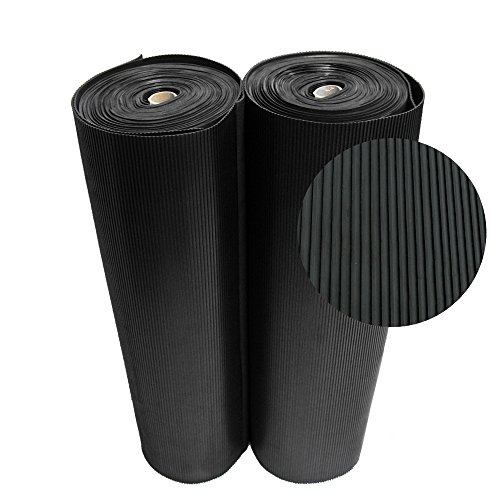
The Ramp-Cleat mat is designed for inclined paths and outdoor ramps. Its 1/8 inch thickness offers a balance of flexibility and durability, making it a practical choice for entryways and temporary walkways on sand or loose soil. Best for outdoor access where a non-slip surface is essential and where the mat may experience seasonal use.
Best for: wheelchair users gaining traction on sloped sand paths and ramps, grounds with frequent foot traffic. This option is selected for its combination of durability and portability for larger outdoor spaces.
Caution: Heavier compared to smaller mats; may require assistance to reposition over uneven sand. Ensure proper anchoring in windy beach environments.
Rubber-Cal Ramp Cleat Non-Slip Mat — 3 ft x 6 ft
This lighter version offers ease of transport while retaining anti-slip properties for ramps and entryways. Its classic ramp-cleat surface is suited to firming up pathways in sandy or gravelly outdoor areas. Best for users who need a more portable solution without sacrificing grip.
Best for: caregivers seeking a compact, easy-to-move outdoor mat for occasional beach or park visits. Choose this if you frequently relocate the mat between locations.
Caution: Smaller size means coverage is reduced; plan for coverage gaps when used on wide entrances or long ramps.
AugustknowU Sand-Free Rug Anti Collapse Mat

This sand-free rug is designed to prevent sinking into soft ground and includes a lightweight frame for carrying on outdoor trips. It’s suitable for picnics, camping, and beach seating where stability is needed on soft sand. Best for portable, go-anywhere use.
Best for: outdoorsy users who want a lightweight, collapsible mat to avoid sinking into sand. Not ideal for heavy, multi-wheelchair use on very loose sand without additional support.
Caution: Sand-free performance depends on sand conditions; loose, shifting sand can still require staking or additional support to prevent movement.
Nazhura Home Gym Mat — EVA Interlocking Tiles

This product is an indoor option designed for exercise areas and play spaces. While not a traditional sand mat, its interlocking foam tiles can be used to create a stable, cushioned area adjacent to sandy outdoor zones or to provide a transition space near the beach for wheelchair users on smooth surfaces. Best for: indoor verification and protective flooring, portable gym setups near outdoor access.
Best for: environments where an indoor transition mat is needed when moving between flat, hard surfaces and outdoor areas with sand. Choose this if you need a cushioned interior floor as a transition from outdoor mats.
Caution: Not designed for direct sand exposure; use as a supplemental interior surface rather than a primary outdoor sand mat.
Buying Guide: Key Considerations For Wheelchair Sand Mats
- Terrain compatibility: For loose sand, choose mats with sand-free technology or textured, anti-slip surfaces that offer traction without sinking. The dual-layer weave and open-grain designs help debris fall away from the surface.
- Portability and storage: If you need to move the mat frequently, prioritize lightweight, foldable, or interlocking designs with carry pouches.
- Footing and stability: Look for non-slip surfaces and, where possible, mats that can be anchored or staked in windy beach conditions to prevent shifting.
- Size and coverage: Check the mat’s footprint against typical doorway widths, ramp lengths, and the wheelchair wheelbase to ensure adequate coverage without gaps.
- Durability vs. comfort: Outdoor use requires weather-resistant materials. For long-term use, opt for thicker, UV-resistant materials that resist wear from sun and salt.
- Maintenance: Consider cleaning ease. Mats that shed sand easily or wash quickly save time after outdoor use.
Frequently Asked Questions
- What makes a mat good for wheelchairs on sand? A: High-traction surfaces, sand-free technology, and a stable base that resists sinking while accommodating wheelchair wheels.
- Are sand mats durable enough for regular outdoor use? A: Yes, many are built with UV-resistant rubber or outdoor fabric designed to withstand sun and moisture.
- Can I use indoor foam tiles as a transition from sand to hard surfaces? A: They’re best for indoor use or as a transition layer; they’re not substitutes for dedicated outdoor sand mats.
- Should I anchor a sand mat on windy beaches? A: Anchoring or staking can help prevent movement; ensure compatibility with the mat’s design before staking.
- How do I choose the right size? A: Measure standard doorway width, ramp length, and wheelbase; ensure the mat covers the needed area with room to maneuver.
- Can these mats be used for other outdoor activities? A: Yes, many are versatile for camping, picnics, and docks, offering a stable surface beyond wheelchairs.