Yes, these wound care products are designed to support healing and protect skin affected by bed sores, ulcers, and pressure injuries. This guide highlights five options best suited for different needs—whether you need a medicated ointment, a fast-acting cream, or a breathable dressing. Suitable buyers include caregivers managing daily wound care, individuals with limited mobility, and those seeking moisture-balanced healing to reduce irritation.
Below is a quick summary table of the selected products to help you compare at a glance. Columns cover product, primary use, best-for, and notable note.
| Product | Primary Use | Best For | Notable |
|---|---|---|---|
| Terrasil Wound Care 3X (0.5 oz) | Wound healing ointment | Bed sores, ulcers, minor wounds | Activated Minerals technology |
| TriDerma MD Pressure Sore Relief Healing Cream (4 oz) | Healing cream with protectants | Chronic pressure sores, hard-to-heal skin | Allantoin, Dimethicone, Aloe, botanicals |
| ZMZPA Sacral Foam Dressing (7×7 large) | Sacrum foam dressing | Bed sores on sacral area, high moisture wounds | 4-layer absorbent, silicone adhesion |
| TriDerma Pressure Sore Relief Wound Cleanser (8.2 oz) | No-rinse wound cleanser spray | Bed sores and skin wounds needing gentle cleaning | Aloe, Niacinamide, Allantoin |
| Terrasil Bed Sores Treatment Cream (1.5 oz) | Bed sore and pressure sore relief cream | Bed sores, ulcers, quick relief | Activated Minerals technology |
Terrasil Wound Care 3X (0.5 oz)

Terrasil Wound Care 3X provides a protective barrier against infection while supporting skin healing. It is described as suitable for bed sores and pressure sores in addition to other wounds. Best for individuals needing quick soothing without stinging and for those with sensitive skin. A caution: product usage guidance recommends cleaning the area first and applying a thin layer up to three times daily; results may vary by severity.
TriDerma MD Pressure Sore Relief Healing Cream (4 oz)

This dermatologist-tested, non-greasy cream uses Allantoin and Dimethicone with botanicals to actively heal skin while protecting from further irritation. It is best for wheelchair users or those with limited mobility who need ongoing protection against skin breakdown. A potential limitation is it is not described as fragrance-free beyond the listed botanical blend; verify sensitivities before use.
ZMZPA Sacral Foam Dressing with Border (10 pack)
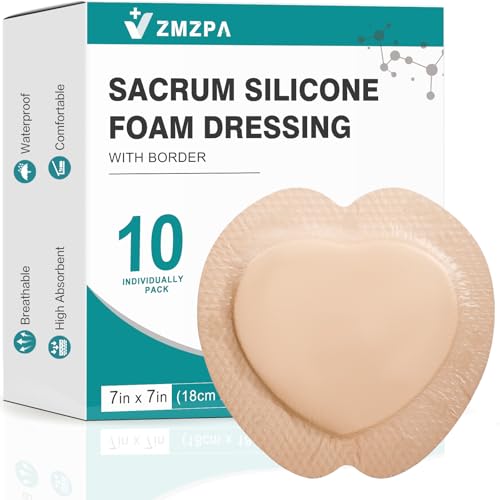
This dressing features a four-layer foam construction with a silicone adhesive border designed for gentle removal. Best for sacral wounds and high-moisture areas where the dressing must stay in place. A limitation is that, like any dressing, changes are needed regularly to manage moisture and infection risk; ensure proper sizing for the wound area.
TriDerma Pressure Sore Relief Wound Cleanser (8.2 oz)

This fragrance-free, no-rinse spray cleanses wounds while preserving moisture and providing nourishment through Niacinamide, Aloe, Allantoin, and Dimethicone. It is best for frequent cleansing of bedsore wounds without needing water. A caution: while convenient, spray coverage and layer thickness should be controlled to avoid oversaturation.
Terrasil Bed Sores Treatment Cream (1.5 oz)

Terrasil Bed Sore Cream aims to form a protective barrier while promoting rapid relief and healing for bed sores. It uses Allantoin alongside natural ingredients to moisturize and soothe irritated skin. Choose this if you want a compact cream with a focus on soothing relief. A limitation: effectiveness can depend on consistency of application and wound severity.
Buying Guide: Key Purchase Considerations
- What type of product best fits your needs? Ointments for active healing, creams for moisture and barrier, or dressings for persistent sores.
- Is moisture management important for your wound? Dressings and occlusive creams help maintain a healing environment, while cleansers prevent infection without drying.
- How often will you reapply or change dressings? Some products require multiple daily applications; others pair with dressings for extended coverage.
- Is fragrance or sensitive skin a concern? Look for fragrance-free formulas with hypoallergenic ingredients for sensitive skin.
- Do you need medical-claim support or FSA eligibility? Some products offer documentation for medical expense flexibility.
Frequently Asked Questions
- What is the best product for bed sore prevention? A combination approach often works: a barrier cream to protect skin and a breathable dressing to manage moisture, plus gentle cleansing to keep the area clean.
- How often should I apply wound care products? Follow product directions; many topical creams are applied 1–3 times daily, while dressings are changed per wound exudate and clinician guidance.
- Can these products be used on all skin types? Most are designed for sensitive skin, but patch testing is advised for allergy-prone individuals.
- Are these products safe for caregivers and home use? Yes, but always wash hands before application and follow sterile technique when handling wounds.
- Do these products replace professional medical treatment? They support healing and skin protection but should be used under medical advice for complex wounds.
- Will these products help with scarring? Some formulations aim to minimize scarring by reducing inflammation and maintaining a moisturized healing environment.